



The evolution of Nickelback’s store reflects a broader transformation in how artists engage with their fan base, redefining the traditional merchandise experience into something far more immersive and interactive. Over the years, Nickelback has transitioned from offering basic band t-shirts and CDs to creating a dynamic retail environment that resonates deeply with fans, blending technology, personalization, and exclusive content.
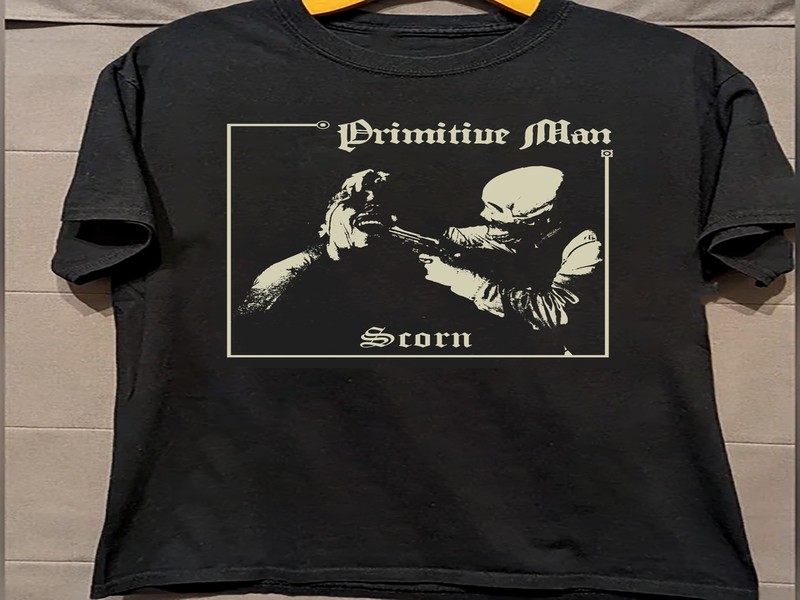
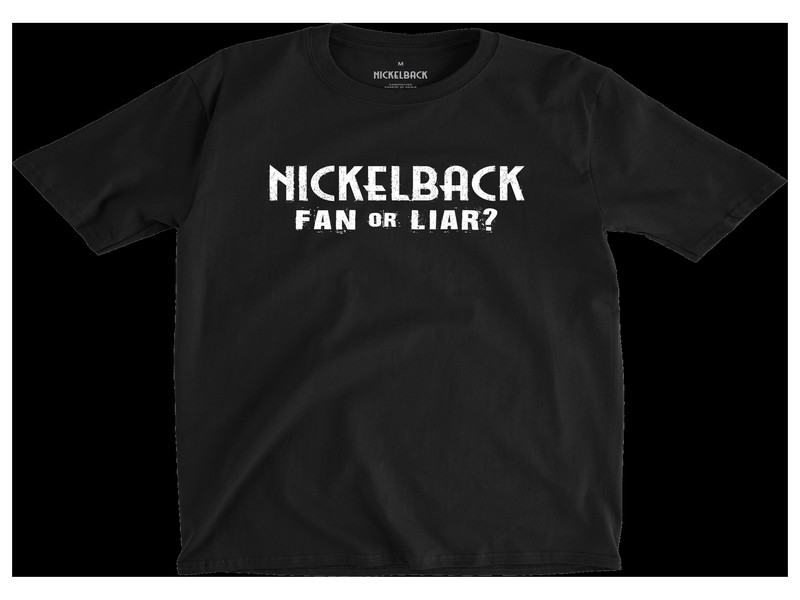
Initially, like many bands of their era, Nickelback’s merchandise was straightforward-simple apparel featuring album art or logos sold at concerts or through mail order. While effective for its time, this approach lacked the interactive elements fans crave today. Recognizing this shift in consumer expectations and the rise of digital culture, Nickelback Merch‘s store began evolving into an innovative platform designed not just to sell products but to foster a genuine connection between the band and its audience.
One significant aspect of this evolution is the integration of augmented reality (AR) features within the shopping experience. Fans can now use their smartphones or tablets to scan items in-store or online to unlock exclusive behind-the-scenes videos, interviews with band members, or even virtual meet-and-greet opportunities. This blend of physical merchandise with digital content transforms routine shopping into an engaging journey that extends beyond purchase.
Moreover, personalization has become central to Nickelback’s new retail strategy. The store offers customizable products where fans can select designs, colors, and even add personal messages or signatures digitally embedded on items such as posters or vinyl records. This level of customization makes each purchase unique and creates a stronger emotional bond between fans and the band.
Nickelback’s commitment to sustainability also plays a role in reshaping their store experience. They have introduced eco-friendly materials for apparel and packaging while promoting limited-edition releases that emphasize quality over quantity. By aligning their brand values with environmental consciousness-a priority for many modern consumers-the band enhances its relevance among younger audiences who value ethical consumption.
Additionally, community-building initiatives are embedded within the store’s ecosystem. Exclusive fan club memberships tied directly to purchases grant access to pre-sale tickets, special events, virtual concerts, and forums where supporters can interact not only with each other but occasionally receive direct communication from band members themselves. These features cultivate loyalty by making fans feel seen and appreciated rather than simply customers.
In conclusion, Nickelback’s store exemplifies how music merchandising is no longer about static transactions but about crafting memorable experiences that deepen fan engagement through technology integration, personalization options, sustainability efforts, and community involvement. As artists continue adapting to changing market dynamics and cultural trends around fandoms worldwide evolve rapidly; stores like Nickelback’s set new standards by transforming commerce into connection-ultimately enriching both artist identity and fan satisfaction alike.